

Helsinki, Finland, has set a new global standard in road safety after completing an entire year without a single traffic-related death.
City officials attribute the feat to long-term planning, disciplined execution, and a firm commitment to re-engineering how people move.
The milestone stands in stark contrast to Uganda’s worsening casualty numbers.
Uganda’s road crash figures remain among the highest on the continent. The Uganda Police Annual Crime Report 2024 recorded 25,107 crashes last year, a 6.4 percent rise from 2023, with 4,434 deaths and more than 25,800 people killed or injured.
On average, 12 Ugandans die on the road every day. October alone brought grim reminders: 63 people were killed in a multi-vehicle collision on the Kampala–Gulu Highway, and another three, including two university students, died in a crash at Bweyogerere in Wakiso District.
These tragedies underline the urgency of rethinking Uganda’s road safety strategy. Helsinki’s experience shows that sustained investment in safer road design, speed management, and intelligent enforcement can drastically reduce fatalities.
More than half of Helsinki’s streets now carry speed limits of 30 km/h, compared to the default 50 km/h in previous decades.
The city has also redesigned key intersections, crossings, and pavements to prioritise pedestrians and cyclists.
At the same time, public transport has been expanded to keep private vehicles off the roads and lower overall accident exposure.
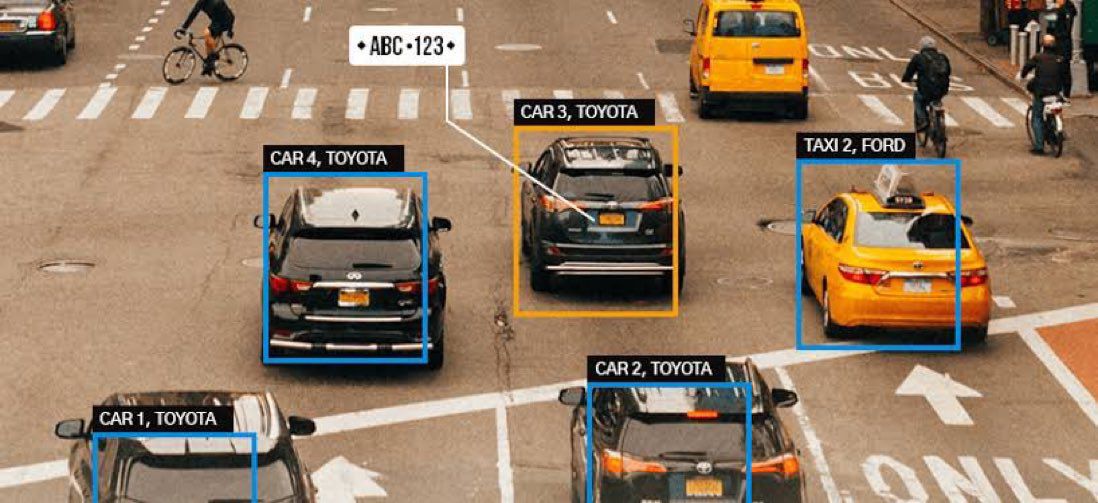
Technology has complemented infrastructure. Automated cameras monitor speeds across the network, while police rely on real-time digital data to identify dangerous drivers and intervene early.
Uganda is rolling out a similar model through smart solutions meant to detect violations and issue digital penalties.
But the system suffers from inconsistent enforcement and uneven coverage, making it difficult to achieve meaningful impact.
Helsinki’s achievement also reflects a culture of discipline. Motorists, cyclists, and pedestrians tend to obey traffic rules, a behaviour reinforced by sustained public awareness campaigns and predictable penalties.
Uganda, by contrast, continues to battle inadequate driver training, corruption, and poor adherence to safety laws—all of which undermine reforms that might otherwise be effective.
The government has taken steps toward modernising traffic management, including introducing the Electronic Penalty System (EPS), revising traffic laws, and installing cameras along major highways.
Within the first five days of the EPS, officials noted a sudden decline in excessive speeding.
However, the system’s short active period, limited reach, and poor inter-agency coordination have blunted its potential.
For Uganda to approach the Helsinki model, it must do more than deploy gadgets.
Authorities must redesign roads to protect vulnerable users, enforce discipline consistently, expand reliable public transport, and strengthen data-driven planning.
Road safety must be treated not as a policing matter but as a national development priority.
Helsinki’s experience demonstrates that zero road deaths is a realistic goal, achieved not by luck but by deliberate choices.
Uganda can save thousands of lives by combining smart systems, strong laws, safe infrastructure, and civic responsibility. Every life lost in a crash is preventable — and every delay in reform prolongs a national tragedy.
